
Learn how fenugreek (methi) supports hair growth naturally, who it suits, how to use it, and what to look for when choosing hair products.
Fenugreek (methi) seeds contain protein, iron, and mucilage that may help nourish the scalp and strengthen hair strands. Used as a paste or oil, fenugreek is a traditional remedy for supporting natural hair growth, though scientific evidence is limited and it works best as part of a consistent hair care routine.
Key takeaways
- Fenugreek seeds are rich in protein and iron, nutrients that support hair structure and scalp health.
- Fenugreek may help reduce hair shedding and improve hair texture when used regularly, but evidence is mostly anecdotal.
- A patch test is essential before using fenugreek on the scalp, especially for sensitive skin.
- Fenugreek works best alongside a gentle cleansing and conditioning routine, not as a standalone cure.
- For persistent hair loss or scalp conditions, consult a dermatologist.
What is fenugreek and how does it support hair growth?
Fenugreek is an herb whose seeds are used in cooking and traditional medicine. For hair, fenugreek is commonly used for its protein content, which may help strengthen hair strands, and its mucilage, which gives a slippery texture that can detangle and condition.
The seeds contain iron, which supports oxygen delivery to hair follicles, and protein, a building block of hair. However, no large-scale human studies confirm that fenugreek directly stimulates hair growth. Its benefits are likely from improving scalp condition and reducing breakage, which can make hair appear thicker over time.
Who can benefit from using fenugreek for hair?
Fenugreek suits most hair types, but it is particularly useful for those with dry, brittle, or breakage-prone hair. Its conditioning properties can help soften hair and reduce frizz.
People with oily scalps may find fenugreek paste helpful for managing excess oil, as it can absorb some oil. Those with sensitive skin should patch test first, as fenugreek can cause irritation in some individuals.
Fenugreek is not a treatment for medical hair loss conditions such as alopecia areata or hormonal hair loss. If you experience sudden or severe hair loss, see a dermatologist.
How to use fenugreek for hair growth: step-by-step
Using fenugreek is simple but requires preparation. Follow these steps for a safe and effective application.
- Soak the seeds: Take two tablespoons of fenugreek seeds and soak them in water overnight. This softens the seeds and activates enzymes.
- Grind into a paste: Drain the water and grind the seeds into a smooth paste. Add a little water if needed.
- Patch test first: Apply a small amount of the paste to your inner wrist and wait 24 hours to check for allergic reaction.
- Apply to scalp and hair: Massage the paste into your scalp and distribute through the length of your hair. Leave it on for 15–20 minutes.
- Rinse thoroughly: Wash off with a mild shampoo and follow with conditioner.
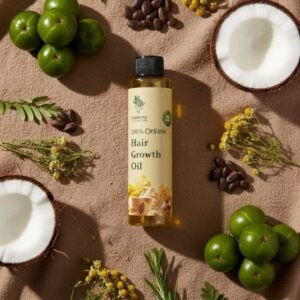
For a simpler option, you can use a hair oil that includes fenugreek. For example, Hair Growth Oil – Strengthen & Nourish Hair Naturally may contain fenugreek and other nourishing ingredients. Always check the label for the full ingredient list.
Common mistakes to avoid when using fenugreek
Even natural ingredients can cause problems if used incorrectly. Avoid these common pitfalls to get the most from fenugreek.
- Not patch testing: Skipping a patch test can lead to allergic reactions. Always test on a small area first.
- Leaving it on too long: Leaving fenugreek paste on for hours can dry out hair and cause breakage. Stick to 15–20 minutes.
- Using it too often: Applying fenugreek more than once a week may be unnecessary and could irritate the scalp. Once a week is sufficient for most people.
- Ignoring scalp health: Fenugreek cannot fix underlying scalp issues like dandruff or infections. Address these with appropriate products or see a doctor.
Choosing fenugreek-based hair products
When selecting products that contain fenugreek, look for clear labeling and reputable brands. Avoid products with harsh sulfates or parabens if you have sensitive skin.
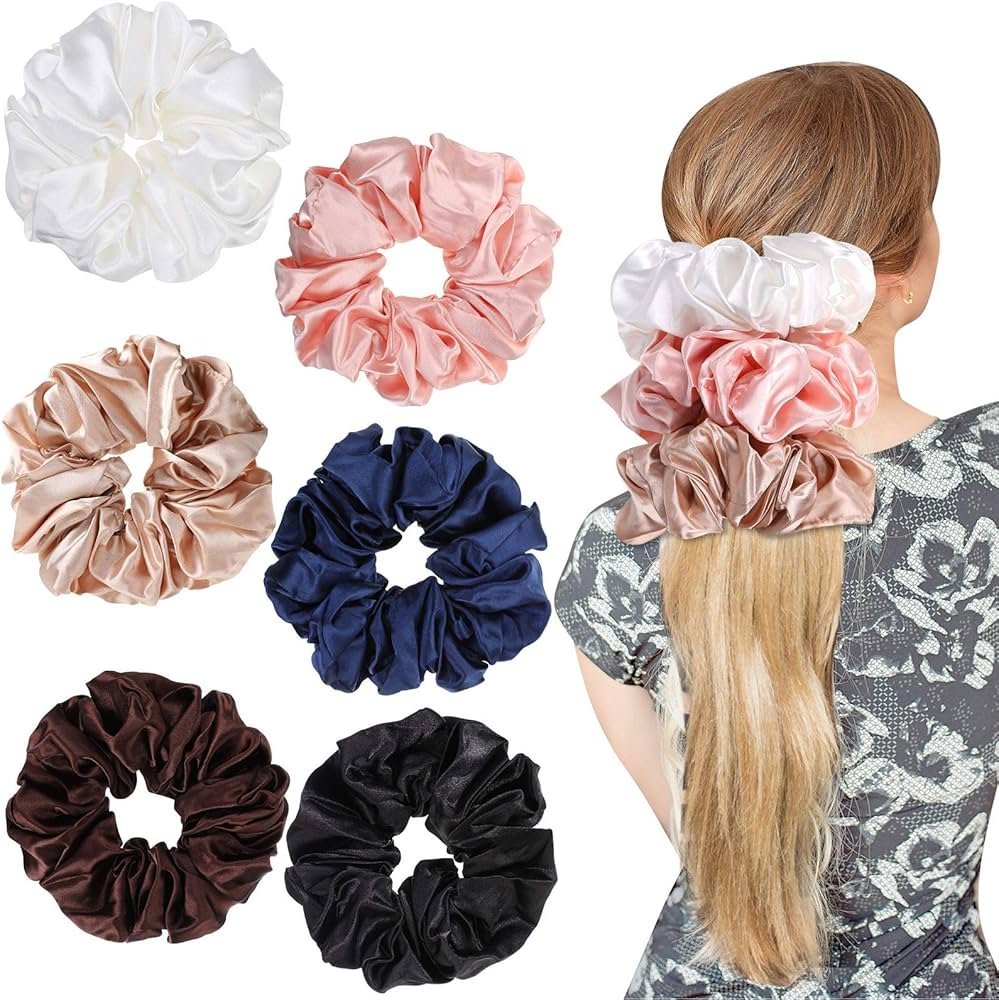
Flambeauty offers hair care products that may include fenugreek. For instance, the Hair Growth Oil – Strengthen & Nourish Hair Naturally is designed to support hair strength and nourishment. Also consider using a gentle silk scrunchie to prevent breakage; the 1 Silk Scrunchie – Gentle & Perfect for All Hair Types is a good option.

How fenugreek fits into different hair types and routines
Fenugreek can be adapted to various hair types. Here’s how to incorporate it into your routine based on your hair’s needs.
Dry or brittle hair
Fenugreek’s conditioning properties can help soften dry hair. Use a fenugreek paste mixed with a moisturizing oil like coconut or olive oil once a week. Follow with a hydrating conditioner.
Oily scalp
Fenugreek can help absorb excess oil. Apply a fenugreek paste to the scalp only, leave for 15 minutes, and rinse. Use once a week to manage oiliness without over-drying.
Sensitive skin
Always patch test fenugreek products. If you have a sensitive scalp, start with a diluted fenugreek oil rather than a paste, and limit use to once every two weeks.
Curly or textured hair
Fenugreek’s mucilage can help define curls and reduce frizz. Apply a fenugreek gel (made from soaked seeds) to damp hair and scrunch. Avoid over-application to prevent crunchiness.
For more hair care tips, explore our blog archive and Hair Care category. If you’re also interested in skincare, read about beauty tips for a dewy, glass-skin look at home and serum or moisturizer first.
For more information on hair and scalp care, refer to the American Academy of Dermatology.
Frequently Asked Questions
Can fenugreek really help with hair growth?
Fenugreek may support hair health by conditioning the scalp and reducing breakage, but scientific evidence for hair growth is limited. It is best used as part of a healthy hair routine.
How often should I use fenugreek on my hair?
Once a week is sufficient for most people. Using it more frequently may dry out hair or irritate the scalp.
Is fenugreek safe for sensitive skin?
Fenugreek can cause allergic reactions in some people. Always perform a patch test on a small area of skin before applying it to your scalp.
Can fenugreek treat hair loss?
Fenugreek is not a treatment for medical hair loss conditions. If you experience persistent or severe hair loss, consult a dermatologist.
Written by Mishal Rehman, owner of Flambeauty — sharing practical, professional beauty and skincare guidance.
Updated: October 2026
More from the Journal
How Often Should You Trim Your Hair to Prevent Split Ends
To prevent split ends, trim your hair every 8 to 12 weeks if you want to maintain your current length.…

Best Natural Oil for Dandruff and Dry Scalp
For dandruff and dry scalp, the best natural oil is often coconut oil for its moisturising and antimicrobial properties, or…

How to Reduce Hair Fall Caused by Stress: A Complete Guide
To reduce stress-related hair fall, focus on lowering stress through sleep, diet, and exercise, while supporting scalp health with gentle…