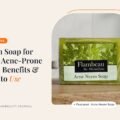
Neem Soap for Oily, Acne-Prone Skin: Benefits & How to Use

Natural neem soap is a gentle cleanser that may help oily, acne-prone skin by removing excess oil and surface impurities without stripping the skin barrier. Its antibacterial and anti-inflammatory properties, while not a medical treatment, can support clearer-looking skin when used as part of a consistent routine. Key takeaways Neem soap may reduce surface oil and calm redness, but it is not a cure for acne. It suits oily and combination skin types; dry or sensitive skin may need a milder alternative. Use no more than twice daily, and always follow with a light moisturiser. Patch test first, especially if you have sensitive or reactive skin. For persistent or severe acne, consult a dermatologist. What is neem soap and…
Continue ReadingNeem Soap for Oily, Acne-Prone Skin: Benefits & How to Use

Best Skincare Routine for Oily Skin That Shines by Midday

For oily skin that turns shiny by midday, use a gentle foaming cleanser, a lightweight gel moisturizer, and a mattifying sunscreen in the morning. At night, double cleanse and apply a salicylic acid treatment. Avoid over-washing and heavy creams. This routine helps control oil without stripping your skin. Understanding Why Your Skin Gets Oily by Midday If your face looks like a frying pan by lunchtime, you're not alone. Many people with oily skin find that their complexion turns slick just a few hours after washing. But why does this happen? The answer lies in your skin's natural oil production, known as sebum. Sebum is produced by sebaceous glands to keep your skin lubricated and protected. However, when these…

Continue ReadingBest Skincare Routine for Oily Skin That Shines by Midday

Neem for Acne & Oily Skin: Natural Treatment That Works

Neem helps treat acne and oily skin by reducing acne-causing bacteria, controlling excess oil, and soothing inflammation. Its antibacterial, anti-inflammatory, and astringent properties make it a natural, effective ingredient for clearer, healthier-looking skin. Why Neem Is a Game-Changer for Acne and Oily Skin If you have oily or acne-prone skin, you know the struggle: constant shine, frequent breakouts, and a seemingly endless search for products that actually work without stripping your skin. Enter neem, a botanical that has been used in South Asian skincare for centuries. Unlike harsh chemicals that can leave your skin dry and irritated, neem works with your skin's natural balance to address the root causes of acne. Neem is packed with antibacterial, antifungal, and anti-inflammatory…

Continue ReadingNeem for Acne & Oily Skin: Natural Treatment That Works

Best Serums for Fading Post-Acne Dark Marks in Pakistan

The best serums for treating post-acne dark marks are those containing niacinamide, vitamin C, alpha arbutin, or tranexamic acid—ingredients that interrupt melanin production and speed up skin renewal without harsh peeling. Used consistently for 8–12 weeks, they visibly fade hyperpigmentation and even out skin tone. Always patch test first and pair with sunscreen. For a multitasking option, the Glow Matrix 5-in-1 Serum 30ml combines several of these actives in one bottle.Understanding Post-Acne Dark Marks: Why They Form and How Serums HelpWhen a pimple heals, it often leaves behind a flat, discolored patch that can range from pink to deep brown. This is post-inflammatory hyperpigmentation (PIH), a common aftermath of acne in people with medium to darker skin tones, including…

Continue ReadingBest Serums for Fading Post-Acne Dark Marks in Pakistan

How to Choose the Right Face Wash for Oily, Acne-Prone Skin

For oily, acne-prone skin, the right face wash balances oil control with gentle cleansing—look for salicylic acid, niacinamide, or tea tree oil, avoid harsh sulfates and heavy creams, and wash twice daily with lukewarm water. Choose a gel or foam formula that rinses clean without stripping, and always follow with a lightweight moisturizer. Consistency matters more than price, so pick a product you can use daily. Understanding Oily, Acne-Prone Skin Oily skin happens when your sebaceous glands produce excess sebum, the natural oil that keeps skin lubricated. While sebum is essential, too much of it mixes with dead skin cells and can clog pores, leading to blackheads, whiteheads, and inflamed pimples. Acne-prone skin is especially reactive to clogged pores,…

Continue ReadingHow to Choose the Right Face Wash for Oily, Acne-Prone Skin

How to Treat Closed Comedones (Tiny Bumps) at Home

Closed comedones, also known as whiteheads, are small, flesh-colored bumps that form when pores become clogged with oil and dead skin cells. To treat them at home, focus on gentle exfoliation with salicylic acid or lactic acid, keep your skin hydrated with non-comedogenic moisturizers, and never pick or squeeze the bumps. Consistency and patience are essential, as it can take several weeks to see improvement.What Are Closed Comedones and Why Do They Form?Closed comedones are a type of non-inflammatory acne. Unlike blackheads, which are open at the surface, closed comedones have a tiny opening that is blocked, leaving the contents trapped beneath the skin. They often appear as small, skin-colored or slightly white bumps, commonly on the forehead, chin,…

Continue ReadingHow to Treat Closed Comedones (Tiny Bumps) at Home

Herbal Remedies for Treating Acne Naturally at Home

Herbal remedies can help treat acne by reducing inflammation, killing bacteria, and soothing skin without harsh chemicals. Key ingredients like tea tree oil, aloe vera, green tea, and neem offer natural relief. Always patch test first to avoid irritation, and combine these remedies with a consistent skincare routine for best results. Understanding Acne and How Herbal Remedies Help Acne occurs when hair follicles become clogged with oil, dead skin cells, and bacteria. While conventional treatments exist, many people turn to herbal remedies for a gentler approach. Herbal ingredients often contain anti-inflammatory, antimicrobial, and antioxidant properties that target the root causes of acne. For example, tea tree oil’s antibacterial action fights Cutibacterium acnes, while aloe vera’s cooling effect reduces redness…

Continue ReadingHerbal Remedies for Treating Acne Naturally at Home