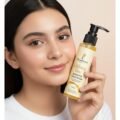
Foaming vs Gel Face Wash: Which Cleanser Is Actually Right for Your Skin?

Foaming face washes create a rich, airy lather and feel deeply cleansing, while gel face washes have a slick, jelly-like texture that spreads easily and often feels more hydrating. The real difference lies in their surfactant systems: foaming cleansers typically use stronger detergents that strip away oil and impurities thoroughly, whereas gel cleansers rely on gentler, water-soluble agents that dissolve dirt without over-tightening the skin. Choosing between them depends on your skin type, your climate, and how your skin reacts to the day's buildup of sweat, pollution, and sunscreen.What Your Skin Actually Needs from a Face WashBefore you pick a foaming or gel formula, it helps to understand what a face wash is supposed to do. Your skin has…

Continue ReadingFoaming vs Gel Face Wash: Which Cleanser Is Actually Right for Your Skin?

Why Turmeric Soap Is Popular for Brightening Skin Tone

Turmeric soap has become a staple in skincare routines for its ability to enhance skin's natural glow. Its popularity stems from curcumin, a compound that supports a more even skin tone and a radiant complexion. As a gentle, time-tested ingredient, turmeric soap offers a natural approach to brightening without harsh chemicals, making it a beloved choice for those seeking healthier-looking skin. What Makes Turmeric Soap Effective for Brightening? Turmeric, a golden spice used for centuries in South Asian beauty rituals, contains curcumin, a powerful antioxidant. When applied topically via soap, curcumin helps combat dullness caused by environmental stressors. It works by supporting the skin's natural renewal process, gently exfoliating dead skin cells to reveal fresher, more luminous skin underneath.…

Continue ReadingWhy Turmeric Soap Is Popular for Brightening Skin Tone

How to Pick a Safe Face and Body Soap: A Complete Guide

Choosing a soap that works well for both your face and body means looking for a gentle, balanced formula that cleanses without stripping your skin’s natural moisture. Ideal soaps have a pH close to your skin’s (around 4.5 to 5.5), contain mild surfactants or natural oils, and avoid harsh sulfates, synthetic fragrances, and drying alcohols. Always patch test first, and if you have sensitive or acne-prone skin, opt for non-comedogenic and fragrance-free options. In Pakistan, brands like Flambeauty offer targeted soaps that can serve both purposes when chosen carefully.What Your Skin Actually Needs from a Dual-Purpose SoapYour face and body have different needs: facial skin is thinner and more delicate, while body skin is generally thicker and less reactive.…

Continue ReadingHow to Pick a Safe Face and Body Soap: A Complete Guide

Goat Milk Soap vs Regular Soap: What Truly Helps Your Skin

Goat milk soap is more than a gentle cleanser—it’s a skin-loving alternative to regular soap. Unlike conventional bars that can strip moisture and disrupt your skin’s protective barrier, goat milk soap offers a creamy, nourishing cleanse that supports hydration and a more even tone. For most people, switching to goat milk soap helps their skin feel softer, calmer, and less irritated. What’s Really Different Inside the Bar To understand why goat milk soap behaves so differently on your skin, you need to look at its composition. Regular soaps, especially mass-market bars, are typically made from a blend of harsh surfactants, synthetic detergents, and sometimes fragrances that can leave your skin feeling tight and “squeaky clean.” That tightness is actually…

Continue ReadingGoat Milk Soap vs Regular Soap: What Truly Helps Your Skin

Handmade vs Commercial Soap for Sensitive Skin: Which Is Better?

For sensitive skin, handmade soap is generally better than commercial soap because it retains natural glycerin, uses gentler ingredients, and often has a balanced pH, while commercial bars may strip moisture and contain harsh detergents and synthetic fragrances. However, not all handmade soaps are equal, and some commercial options can be suitable if carefully formulated. Always patch test first and look for simple, skin-friendly ingredients. What Makes Handmade Soap Different from Commercial Soap Handmade soap is created through the saponification process, where natural oils and fats react with an alkali, such as sodium hydroxide, to produce soap and glycerin. In traditional cold-process soapmaking, the glycerin—a natural humectant that draws moisture into the skin—is left intact. This is a key…


Continue ReadingHandmade vs Commercial Soap for Sensitive Skin: Which Is Better?

How to Avoid Stripping Your Skin Barrier with Face Wash

To avoid stripping your skin barrier with face wash, choose a gentle, sulfate-free cleanser that matches your skin type, use lukewarm water, and massage for no more than 60 seconds. Avoid over-washing, harsh scrubbing, and hot water. Follow with a moisturizer while skin is damp. Look for hydrating ingredients like glycerin or ceramides and skip products with high alcohol or strong sulfates. Understanding Your Skin Barrier and How Cleansers Affect It Your skin barrier is the outermost layer of your skin, often described as a brick-and-mortar structure. The skin cells are the bricks, and the lipids—ceramides, cholesterol, and fatty acids—are the mortar that holds everything together. This barrier is your body’s first line of defense against environmental aggressors like…

Continue ReadingHow to Avoid Stripping Your Skin Barrier with Face Wash