
Undertone Matching: Find Your Perfect Makeup Shades

Your undertone—the subtle hue beneath your skin's surface—determines which makeup shades will look harmonious rather than harsh. Unlike your skin's surface color, which can change with sun exposure or products, undertone stays constant. To find your perfect match, look at the veins on your wrist, consider how your skin reacts to the sun, and test jewelry against your complexion. If you have warm undertones (yellow or golden), cool undertones (pink or blue), or neutral undertones (a balance of both), choosing shades that align with your undertone ensures your makeup enhances your natural beauty instead of fighting it. Start with a simple test, then apply the guidelines below to foundations, concealers, blushes, lipsticks, and eyeshadows for a seamlessly radiant look.…

Continue ReadingUndertone Matching: Find Your Perfect Makeup Shades

Best Serums for Fading Post-Acne Dark Marks in Pakistan

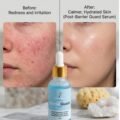
The best serums for treating post-acne dark marks are those containing niacinamide, vitamin C, alpha arbutin, or tranexamic acid—ingredients that interrupt melanin production and speed up skin renewal without harsh peeling. Used consistently for 8–12 weeks, they visibly fade hyperpigmentation and even out skin tone. Always patch test first and pair with sunscreen. For a multitasking option, the Glow Matrix 5-in-1 Serum 30ml combines several of these actives in one bottle.Understanding Post-Acne Dark Marks: Why They Form and How Serums HelpWhen a pimple heals, it often leaves behind a flat, discolored patch that can range from pink to deep brown. This is post-inflammatory hyperpigmentation (PIH), a common aftermath of acne in people with medium to darker skin tones, including…

Continue ReadingBest Serums for Fading Post-Acne Dark Marks in Pakistan

Foaming vs Gel Face Wash: Which Cleanser Is Actually Right for Your Skin?

Foaming face washes create a rich, airy lather and feel deeply cleansing, while gel face washes have a slick, jelly-like texture that spreads easily and often feels more hydrating. The real difference lies in their surfactant systems: foaming cleansers typically use stronger detergents that strip away oil and impurities thoroughly, whereas gel cleansers rely on gentler, water-soluble agents that dissolve dirt without over-tightening the skin. Choosing between them depends on your skin type, your climate, and how your skin reacts to the day's buildup of sweat, pollution, and sunscreen.What Your Skin Actually Needs from a Face WashBefore you pick a foaming or gel formula, it helps to understand what a face wash is supposed to do. Your skin has…

Continue ReadingFoaming vs Gel Face Wash: Which Cleanser Is Actually Right for Your Skin?

Herbal Detox Teas for Skin Clarity and Digestion

Herbal detox teas support skin clarity and digestion by combining gentle botanicals that aid liver function, reduce bloating, and provide antioxidants that calm inflammation. Ingredients like dandelion, fennel, and ginger encourage regular elimination and help your body flush toxins that can trigger breakouts or dullness. For best results, enjoy a warm cup daily, stay hydrated, and pair with a balanced diet.Understanding the Connection Between Digestion and Skin HealthThe link between your gut and your skin is one of the most fascinating areas of modern wellness. Often called the 'gut-skin axis', this connection means that when your digestive system is out of balance, it can show up on your face. A sluggish gut can lead to a buildup of toxins…

Continue ReadingHerbal Detox Teas for Skin Clarity and Digestion

How to Choose the Right Face Wash for Oily, Acne-Prone Skin

For oily, acne-prone skin, the right face wash balances oil control with gentle cleansing—look for salicylic acid, niacinamide, or tea tree oil, avoid harsh sulfates and heavy creams, and wash twice daily with lukewarm water. Choose a gel or foam formula that rinses clean without stripping, and always follow with a lightweight moisturizer. Consistency matters more than price, so pick a product you can use daily. Understanding Oily, Acne-Prone Skin Oily skin happens when your sebaceous glands produce excess sebum, the natural oil that keeps skin lubricated. While sebum is essential, too much of it mixes with dead skin cells and can clog pores, leading to blackheads, whiteheads, and inflamed pimples. Acne-prone skin is especially reactive to clogged pores,…

Continue ReadingHow to Choose the Right Face Wash for Oily, Acne-Prone Skin

Why Turmeric Soap Is Popular for Brightening Skin Tone

Turmeric soap has become a staple in skincare routines for its ability to enhance skin's natural glow. Its popularity stems from curcumin, a compound that supports a more even skin tone and a radiant complexion. As a gentle, time-tested ingredient, turmeric soap offers a natural approach to brightening without harsh chemicals, making it a beloved choice for those seeking healthier-looking skin. What Makes Turmeric Soap Effective for Brightening? Turmeric, a golden spice used for centuries in South Asian beauty rituals, contains curcumin, a powerful antioxidant. When applied topically via soap, curcumin helps combat dullness caused by environmental stressors. It works by supporting the skin's natural renewal process, gently exfoliating dead skin cells to reveal fresher, more luminous skin underneath.…

Continue ReadingWhy Turmeric Soap Is Popular for Brightening Skin Tone

Late 20s Anti-Aging Serum Guide: What Actually Works

For skin in your late 20s, the best anti-aging serum combines antioxidants (like vitamin C), hydration (hyaluronic acid), and gentle cell-communicating ingredients (like peptides or niacinamide) to prevent and soften fine lines, loss of firmness, and dullness. Look for a serum that suits your skin type and use it consistently in your morning or evening routine. Why Your Late 20s Are a Turning Point for Skin Your late 20s are often when you first notice subtle changes: a fine line around your eyes when you smile, a slight loss of that “baby” plumpness, or a duller complexion that no amount of sleep seems to fix. This isn’t random – it’s biology. Collagen production begins to slow down around age…

Continue ReadingLate 20s Anti-Aging Serum Guide: What Actually Works

Herbal Remedies for Dry, Cracked Heels: A Complete Guide

Dry, cracked heels can be soothed and improved with simple herbal remedies like coconut oil, aloe vera, and oatmeal soaks, combined with regular exfoliation and moisturizing. These natural ingredients help soften thick skin, reduce discomfort, and support the skin's barrier. Consistency is key—daily care, gentle scrubbing, and wearing comfortable footwear can make a noticeable difference. For stubborn cracks, pairing herbal treatments with a barrier-repairing serum can speed up visible improvement.Understanding Dry, Cracked Heels: Causes and Why Herbal Remedies HelpDry, cracked heels occur when the skin around your feet loses moisture and elasticity, often due to factors like hot showers, harsh soaps, dry climates, prolonged standing, and wearing open-backed shoes. The skin on our heels is naturally thicker and has…

Continue ReadingHerbal Remedies for Dry, Cracked Heels: A Complete Guide

Rose Water for Skin: Toning & Hydration Benefits Explained

Rose water is a gentle, natural toner that helps balance your skin's pH, tighten pores, and provide a light layer of hydration, making it suitable for most skin types, including sensitive and acne-prone skin. Its anti-inflammatory properties can soothe redness and irritation, while its refreshing mist can revive tired skin. To get the most benefit, use pure rose water without added alcohol or synthetic fragrances. Incorporate it into your daily routine after cleansing and before moisturizing to improve skin's overall tone and texture. Why Rose Water Works for Toning and Hydration Rose water is more than just a fragrant splash. It's a natural astringent that helps remove excess oil and impurities from the skin without stripping away essential moisture.…

Continue ReadingRose Water for Skin: Toning & Hydration Benefits Explained

How to Keep Lips Soft and Prevent Chapping Naturally

To keep lips soft and prevent chapping naturally, focus on consistent hydration, gentle exfoliation, and protective barriers using ingredients like honey, coconut oil, and shea butter. Avoid licking lips, stay hydrated, and use a humidifier in dry climates. For persistent dryness, choose balms with ceramides or petrolatum, and always protect lips from sun and wind. Incorporate a nightly moisturizing routine and a weekly sugar scrub for smooth, healthy lips. Why Lips Chap Easily and What They Really Need Your lips are uniquely vulnerable compared to the rest of your skin. The skin on your lips is only about three to five cell layers thick, while the skin on the rest of your face has around sixteen layers. This thinness…

Continue ReadingHow to Keep Lips Soft and Prevent Chapping Naturally